DESK FEATURE
Tea, Tradition and Tolerance: The Many Faces of English Culture
England is a country that wears its history lightly. A medieval cathedral may stand beside a glass skyscraper, and a village cricket match may unfold within sight of a motorway. This blend of old and new, restraint and eccentricity, has shaped a culture that is easy to caricature but far richer than the clichés suggest. To understand it is to look beyond the rain and the queue and into the habits, humour and history that bind the English together.
The Ritual of Tea
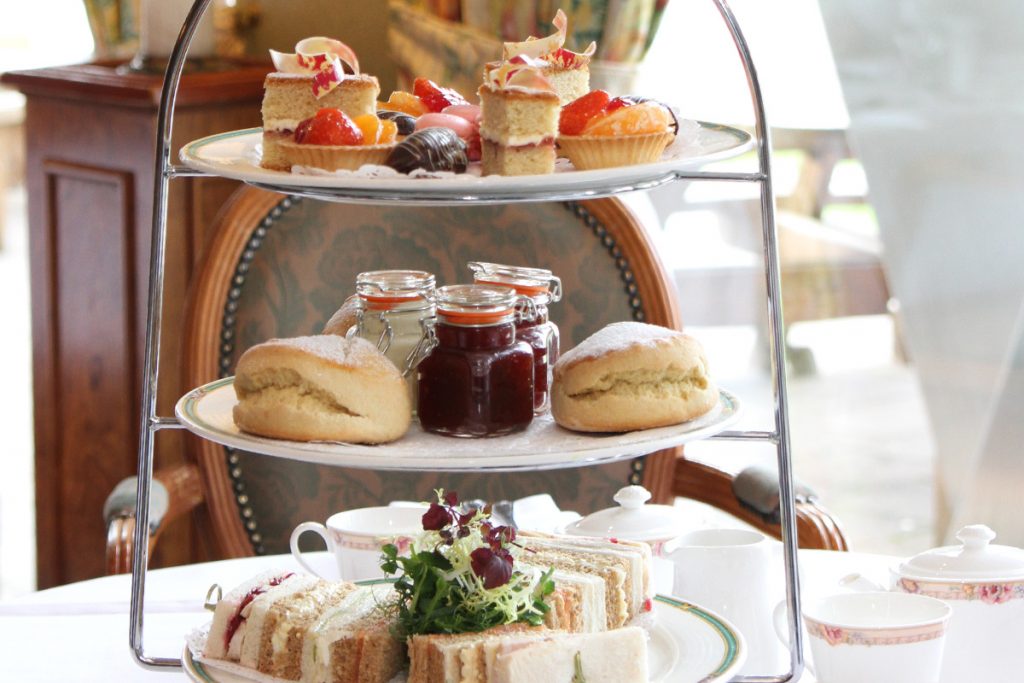
No symbol is more closely tied to England than tea. Introduced to Britain in the seventeenth century, it became a national staple by the eighteenth. The custom of afternoon tea is often credited to Anna, Duchess of Bedford, who in the 1840s began asking for tea and light refreshments to fill the long gap between lunch and a late dinner. Today it means scones with clotted cream and jam, finger sandwiches and delicate pastries, served on tiered stands.
Yet tea is not only a luxury. It is the everyday gesture of hospitality. Offering a cup is how the English welcome a visitor, console a friend or break an awkward silence. The famous question of whether milk goes in first remains good-natured national debate.
The Pub: A Second Living Room
If tea is the domestic ritual, the pub is the public one. The English pub, with its wooden bar, hand-pulled ales and open fires, has served as a community hub for centuries. Many are older than the nation’s famous institutions, and their names, such as the Red Lion or the Crown, tell stories of local history.
Pubs are places to talk, to celebrate and to watch football. They serve the Sunday roast, a weekly meal of roast meat, potatoes, vegetables and Yorkshire pudding that remains central to family life. Traditional dishes such as fish and chips, pies and a full English breakfast complete a cuisine that has grown more adventurous but never forgotten its roots.
Language and Literature
English culture has given the world its most widely spoken second language, and with it a literary tradition of extraordinary depth. William Shakespeare, born in Stratford-upon-Avon, remains the most performed playwright on Earth. Jane Austen, Charles Dickens, the Brontë sisters and Virginia Woolf shaped the novel, while poets from Chaucer to Wordsworth captured the English landscape and temperament.
That tradition continues. Bookshops, literary festivals and libraries remain lively, and the nation’s love of reading lives on in everything from crime fiction to children’s stories.
Humour and the Art of Understatement
English humour is famously dry, ironic and self-deprecating. Understatement is a way of life: a disaster may be described as “a bit unfortunate,” and great pleasure as “not bad at all.” Comedy ranges from the absurdity of Monty Python to the gentle observation of sitcoms and the sharp satire of newspaper cartoons.
Politeness is another defining trait. The English apologise when others bump into them, thank the bus driver and queue patiently. Behind the stereotype lies a genuine social value: a preference for fairness, order and not making a fuss.
Sport and Seasonal Rhythms
England gave the world football, rugby and cricket, and sport remains a shared passion. Saturday afternoons belong to football, with its chants and fierce local loyalties. Summer brings cricket, whose slow rhythms inspire a particular kind of devotion, and Wimbledon turns strawberries and cream into a sporting tradition.
The calendar itself is steeped in custom. Bonfire Night on 5 November recalls the Gunpowder Plot of 1605 with fireworks. Christmas brings carols, pantomime and crackers at the dinner table. Remembrance Sunday sees poppies worn across the country to honour those lost in war. May Day, harvest festivals and village fêtes keep older rural traditions alive.
Landscape and Heritage
England’s cultural identity is inseparable from its landscape: the rolling hills of the Cotswolds, the wild moors of Yorkshire, the chalk cliffs of the south coast and the lakes and fells of Cumbria. This countryside has inspired painters such as Constable and Turner and poets who walked its footpaths. Walking, gardening and caring for the land are cherished pastimes.
The built heritage is equally striking. Stonehenge, Canterbury Cathedral, the Tower of London and countless castles and stately homes form a record of a thousand years of history. The National Trust and similar bodies preserve these places so that each generation can visit them.
Music, Theatre and Modern Creativity
England’s contribution to popular culture is immense. From choral music in cathedrals to the Beatles, rock, punk and electronic music, the country has repeatedly reinvented the soundtrack of the world. London’s West End remains a global centre for theatre, while its museums, many of them free to enter, preserve treasures from around the globe.
A Changing, Multicultural Nation
Modern England is far more diverse than its traditional image suggests. Communities from the Caribbean, South Asia, Africa, Europe and beyond have transformed its cities, its food and its voice. Chicken tikka masala is often described as a national favourite, and festivals such as the Notting Hill Carnival show how new traditions have become part of the English story.
This openness is not a break from English culture but a continuation of it. The country has always absorbed influences, from Roman, Saxon and Norman settlers to modern migrants, and turned them into something distinctly its own.
English culture resists easy definition. It is polite yet irreverent, traditional yet inventive, reserved yet warm once the kettle is on. Its strength lies in the ability to hold contradictions together: respect for the past and appetite for change, private reserve and public festivity. For visitors and residents alike, the invitation is simple. Sit down, accept the cup of tea, and listen to the stories that England has been telling for centuries.